

TL;DR:
- Budget shopfitting materials help small retailers create attractive displays at lower costs by focusing on a few versatile options. Materials like vinyl wraps, MDF, plywood, laminated boards, and cardboard offer a balance of affordability, durability, and visual appeal. Proper planning and strategic use of these materials ensure a professional look without compromising brand perception.
Budget shopfitting materials are cost-effective resources designed to help small retailers create attractive, functional store displays without overspending on a full commercial fit-out. The term “shopfitting materials” covers everything from shelving and display stands to surface finishes and structural boards. Within that category, budget options include vinyl film wraps, MDF (medium-density fibreboard), plywood, laminated boards, and corrugated cardboard displays. These materials sit at the practical end of the shopfitting materials guide, where cost, durability, and visual appeal must all be balanced. For small retail owners and entrepreneurs working with tight margins, understanding these options is the difference between a professional-looking shop and a costly mistake.
What are the main types of affordable shopfitting materials?
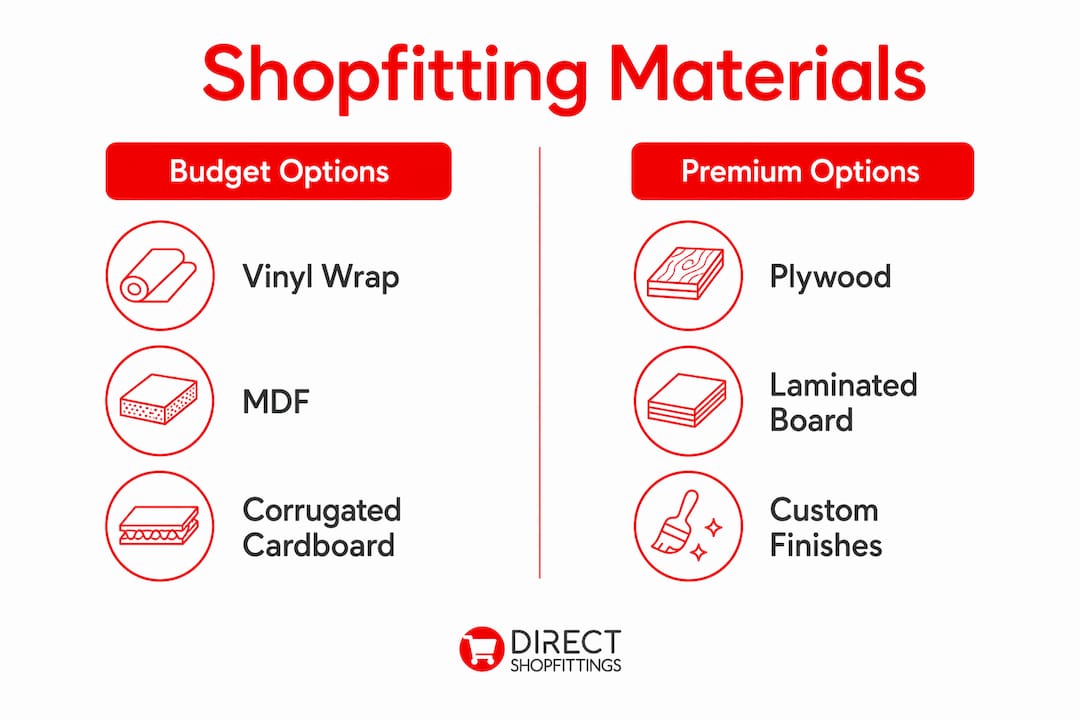
The five materials that appear most frequently in budget retail fit-outs are vinyl film wraps, MDF, plywood, laminated boards, and corrugated cardboard. Each serves a different purpose and suits different store environments.
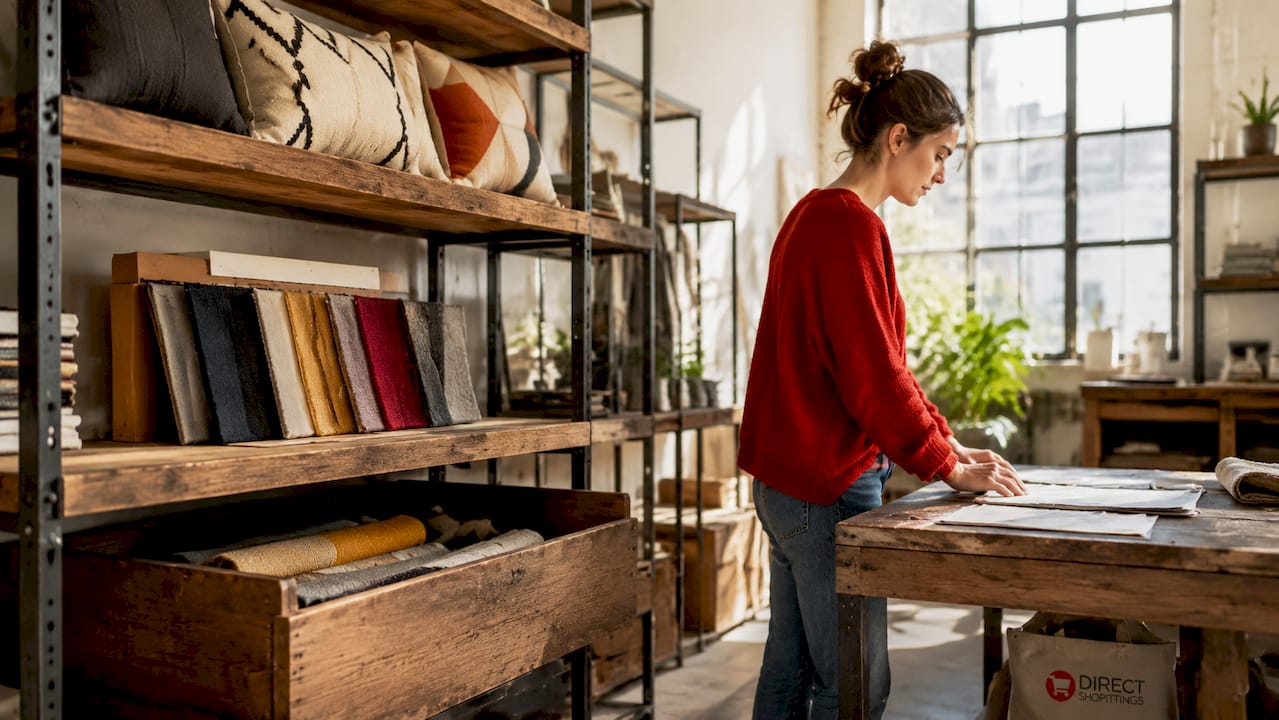
Vinyl film wraps are the standout option for refreshing existing fixtures. Surface wrapping with vinyl saves retailers up to 60% on renovation costs compared to full fixture replacement. That saving is significant: a shelving unit that would cost hundreds to replace can be rebranded and refinished for a fraction of the price. Vinyl comes in wood-effect, solid colour, and textured finishes, so it suits everything from fashion boutiques to hardware shops.
MDF and plywood are the workhorses of budget shopfitting. MDF cuts cleanly, takes paint well, and costs far less than solid timber. Plywood offers greater structural strength and handles moisture better, making it the preferred choice for flooring panels and heavy-duty shelving. Both materials are widely available from builders’ merchants and timber yards across the UK.
Laminated boards combine a chipboard or MDF core with a pre-finished surface. They arrive ready to use, which cuts installation time and labour costs. Flat-pack shelving systems from suppliers like DirectShopfittings use laminated board construction precisely because it keeps both the unit price and the assembly cost low.
Corrugated cardboard displays are the most inexpensive retail fixture option available. They work well for seasonal promotions, point-of-sale displays, and short-term product launches. The trade-off is durability: cardboard degrades quickly in high-traffic or damp environments.
| Material | Best use | Relative cost | Durability |
|---|---|---|---|
| Vinyl film wrap | Refreshing existing fixtures | Low | Medium to high |
| MDF | Shelving, counters, wall panels | Low to medium | Medium |
| Plywood | Heavy shelving, flooring panels | Medium | High |
| Laminated board | Flat-pack units, display shelving | Low to medium | Medium |
| Corrugated cardboard | Promotional and seasonal displays | Very low | Low |
Pro Tip: Combine laminated board shelving for permanent fixtures with vinyl wrapping on older units. You get a consistent look across the shop floor without replacing everything at once.
How do cost factors influence the choice of shopfitting materials?
The purchase price of a material is only one part of the total cost. Lifecycle cost matters more than the cheapest upfront price. A cardboard display that needs replacing every three months costs more over a year than a laminated board unit bought once and maintained properly.
Several factors drive the price of budget shopfitting materials:
- Material grade. Higher-grade MDF or plywood costs more per sheet but lasts longer and finishes more cleanly. Cheaper grades may warp or delaminate within months.
- Order volume. Buying in bulk reduces the unit cost significantly. This applies especially to corrugated cardboard: custom cardboard display stands range from a few pounds to over £100 per unit depending on order size, board grade, and design complexity. Ordering more units in a single run brings the per-unit price down sharply.
- Design complexity. Simple rectangular structures cost less to produce than curved or multi-tiered designs. Keeping shapes standard reduces both material waste and manufacturing time.
- Installation labour. Flat-pack designs cut labour costs because they require no specialist trades. A shopkeeper can assemble most flat-pack shelving units without a carpenter.
- Supplier reliability. A supplier who delivers on time and to specification avoids the hidden costs of delays, incorrect orders, and emergency replacements.
Cost-saving strategies that work in practice include reusing existing fixtures with vinyl wrapping, choosing standard board sizes to minimise cutting waste, and increasing order quantities to reduce the per-unit price on cardboard displays. Upcycling older wooden fixtures with a fresh laminate or paint finish is another approach that costs very little but produces a noticeably improved result.
Pro Tip: Before ordering any custom display, ask your supplier for a standard-size option. Standard dimensions almost always cost less and arrive faster than bespoke cuts.
Budget vs premium shopfitting materials: what are the trade-offs?
Budget materials deliver real value, but they come with limitations that every retailer should understand before committing to a fit-out.
The clearest advantage of budget options is cost. Vinyl wrapping, MDF shelving, and cardboard displays all keep initial spend low. Surface wrapping also reduces environmental impact by reusing existing furniture and cutting the volume of raw materials sent to landfill. For a retailer with sustainability goals, that is a genuine benefit beyond the financial saving.
The risks, however, are real:
- Finish quality. Value engineering on finishing details such as edge banding damages output quality and undermines professional appearance. Cutting corners on the visible edges of MDF shelving, for example, produces a result that looks cheap even when the overall structure is sound.
- Durability. Budget materials wear faster in high-traffic areas. Cardboard displays degrade quickly. Thin vinyl wraps can peel at corners within months if applied poorly.
- Brand perception. Display materials communicate brand quality before a customer picks up a single product. A shop fitted with warped shelving and peeling surfaces signals low quality regardless of what sits on those shelves.
- Maintenance costs. Cheaper materials often require more frequent replacement, which erodes the initial saving over time.
Premium materials such as solid timber, powder-coated steel, and high-pressure laminate last longer and hold their appearance better. The replacement cycle for premium fixtures is measured in years rather than months. For permanent fixtures in a long-term retail space, the lifecycle cost advantage of premium materials can outweigh the higher purchase price.
The smartest approach is not to choose entirely between budget and premium. Use budget materials where they perform well, such as seasonal displays and back-of-house shelving, and invest in quality finishes where customers look first.
Practical tips for selecting budget-friendly shopfitting materials
Choosing the right materials is only half the job. Implementing them well determines whether the result looks professional or provisional.
- Plan the layout before ordering anything. Changes during construction cost more than changes on paper. Finalise your floor plan, fixture positions, and material specifications before placing a single order. Late changes to dimensions or finishes add cost and delay.
- Match materials to store traffic. A busy convenience store needs shelving that withstands daily restocking and cleaning. MDF with a laminated surface handles this well. A low-traffic gift shop can use lighter materials without the same wear risk.
- Use vinyl wrapping strategically. Apply it to older fixtures that are structurally sound but visually dated. This approach updates the look of the entire shop floor without the cost of new units. It works particularly well on gondola shelving ends, counters, and feature walls.
- Combine materials for balance. Use plywood or steel for load-bearing shelving and MDF or laminated board for display units that carry lighter stock. Mixing materials by function rather than appearance keeps costs down without compromising structural performance.
- Choose a supplier who knows budget options. A supplier with experience in affordable shopfitting options will guide you toward materials that perform well at lower price points. DirectShopfittings, for example, works with both small boutiques and large retail chains and sources hard-to-find items through its supplier network, which reduces both cost and lead time for clients.
Pro Tip: Ask your supplier for a sample of any vinyl wrap or laminate finish before ordering in bulk. Colours and textures look different under shop lighting than they do on a screen or in a catalogue.
For a broader view of retail fixture types that suit budget fit-outs, the DirectShopfittings 2026 guide covers the full range of options available to new store owners.
Key takeaways
Budget shopfitting materials deliver the best results when you prioritise lifecycle cost over purchase price and invest in quality finishes where customers look first.
| Point | Details |
|---|---|
| Vinyl wrapping saves up to 60% | Wrapping existing fixtures with vinyl costs far less than full replacement. |
| Lifecycle cost beats purchase price | Cheap materials that need frequent replacement cost more over time. |
| Finishes affect brand perception | Poor edge banding and peeling surfaces signal low quality to customers. |
| Cardboard suits short-term use only | Corrugated displays work for promotions but degrade quickly in high-traffic areas. |
| Plan before you order | Finalising layouts and specifications upfront avoids costly mid-project changes. |
The uncomfortable truth about going too cheap on shopfitting
I have seen more small retailers make the same mistake than I can count. They spend weeks agonising over their product range and pricing, then treat the shop fit-out as an afterthought. They buy the cheapest MDF shelving available, skip the edge banding, and wonder why the shop looks unfinished six months later.
The truth is that your shop floor is your first product. Customers form an opinion about your brand before they read a single price tag. Materials that look cheap communicate that your products are cheap, regardless of what you actually stock. That is not a perception problem you can fix with a sale.
The good news is that going budget does not mean going cheap. Vinyl wrapping is genuinely impressive when applied well. Laminated flat-pack shelving from a reliable supplier looks clean and professional. The difference between a budget fit-out that works and one that undermines your brand is almost always in the finishing details and the planning.
My advice is simple: spend less on the structure and more on the surface. Nobody notices what your shelving is made of. They notice whether it looks good. Prioritise the visible finishes, plan your layout before you order, and build a relationship with a supplier who understands what small retailers actually need. Avoid common display mistakes that erode the impact of even well-chosen materials.
— Lee
How DirectShopfittings supports small retailers on a budget
Small retailers fitting out a new store or refreshing an existing one need a supplier who understands both the material options and the financial constraints involved.
DirectShopfittings stocks an extensive range of affordable shopfitting options, from flat-pack laminated shelving to display stands suited to boutique and convenience retail alike. The supplier network behind DirectShopfittings allows the team to source hard-to-find items quickly, which keeps costs down and delivery times short. For retailers starting from scratch, the shopfitting guide for small retailers covers the full process from layout planning to material selection. For those focused on shelving specifically, the retail shelving buyers guide provides detailed product comparisons and pricing to help you make the right call first time.
FAQ
What are the cheapest shopfitting materials for a small store?
Corrugated cardboard displays are the least expensive option, followed by MDF and laminated flat-pack shelving. Vinyl film wrapping is the most cost-effective way to refresh existing fixtures without replacing them.
Is vinyl wrapping a good option for budget retail fit-outs?
Vinyl wrapping saves retailers up to 60% on renovation costs compared to full fixture replacement. It is a practical choice for structurally sound fixtures that need a visual update.
How do I keep custom cardboard display costs low?
Simplifying the design, choosing standard board grades, and increasing order quantities all reduce the per-unit cost of custom cardboard displays.
Does using budget materials affect how customers see my brand?
Display and surface materials communicate brand quality before any customer interaction. Poor finishes, particularly on visible edges and surfaces, reduce perceived professionalism regardless of product quality.
When should I invest in premium materials instead?
Use premium materials for permanent fixtures in high-traffic areas where durability and appearance matter most. Budget materials suit seasonal displays, back-of-house storage, and short-term promotional setups.