
TL;DR:
- Retail display cabinets serve specific merchandising functions, including impulse sales, security, or food safety. Choosing the appropriate format and material is crucial for optimizing store layout, security, and product visibility. Proper placement and operational considerations ensure maximum sales and protection of high-value or perishable items.
Retail display cabinets are the physical structures that determine whether a product is noticed, trusted, and purchased. The main types of display cabinets retail stores use include countertop, wall-mounted, tower, freestanding, locked, and refrigerated units, and each type serves a distinct merchandising purpose. Choosing the wrong format costs you sales, not just aesthetics. This guide breaks down every major cabinet style, explains what it does best, and gives you the detail you need to match the right unit to your store layout and product range.
1. Countertop display cabinets
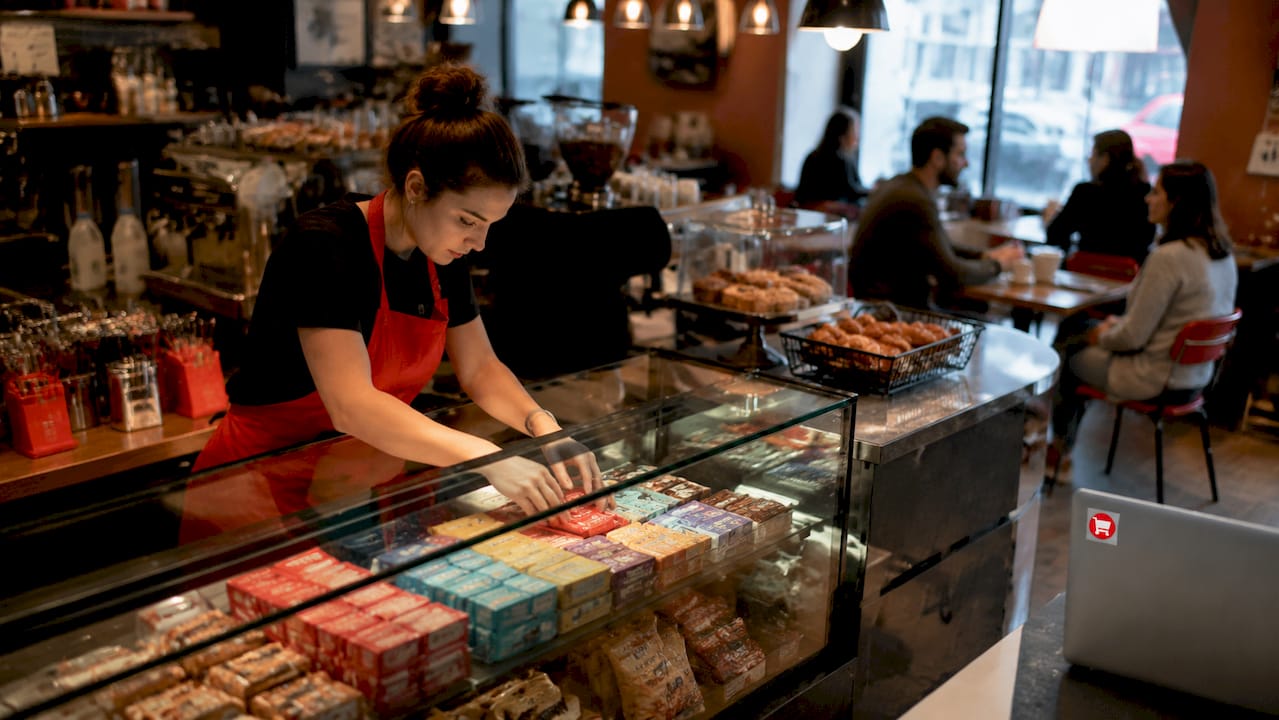
Countertop display cabinets sit at or near the point of sale and are purpose-built for impulse purchases, small items, and high-value goods that benefit from close customer proximity. They work because the till point is where dwell time peaks. A customer waiting to pay is a captive audience, and a well-stocked countertop cabinet converts that attention into additional spend.
A standard countertop showcase, such as the Maxshelf 120×60×110 cm glass-front and glass-back unit, features full-visibility panels on multiple sides, two adjustable shelves, and a lockable sliding door. That combination of visibility and security makes it the default choice for jewellery, watches, cosmetics, and electronics accessories. The glass-on-all-sides design means staff can restock from the rear without disrupting the customer-facing display.
Products best suited to countertop cabinets:
- Jewellery and watches
- Sunglasses and eyewear
- Vaping products and accessories
- Premium confectionery
- Mobile phone accessories
Pro Tip: Place your highest-margin product at eye level within the countertop cabinet, not your bestseller. Customers will find the bestseller regardless; the cabinet’s job is to surface what they would not otherwise consider.
For a deeper look at how counter placement affects revenue, the retail counter display guide from DirectShopfittings covers the mechanics in detail.
2. Wall-mounted display cabinets
Wall-mounted display cabinets attach directly to the shop wall and free up floor space entirely, making them the preferred format for narrow retail environments such as boutiques, pharmacies, and beauty studios. Vertical merchandising at eye level consistently outperforms floor-level product placement, and wall units exploit that principle without consuming a single square metre of selling floor.
The material choice between acrylic and glass matters more on wall units than anywhere else. Acrylic cabinets are lighter with better impact resistance and easier customisation, while glass delivers superior scratch resistance and a premium visual finish. For a boutique selling luxury perfumes or designer sunglasses, glass reads as more credible. For a sports retailer displaying branded accessories, acrylic is lighter to install and simpler to reconfigure.
Installation considerations are non-negotiable. Wall-mounted units must be fixed to structural studs or masonry, not plasterboard alone, particularly for glass-fronted cabinets carrying significant weight. Safety regulations in the UK require that any overhead display fixture is load-tested and secured to prevent injury. Pair wall cabinets with consistent LED strip lighting to avoid shadow patches that make products look dull.
Products that perform well in wall-mounted cabinets:
- Cosmetics and skincare
- Sunglasses and optical frames
- Perfumes and fragrances
- Collectibles and figurines
Pro Tip: Install wall cabinets at 145–160 cm to the shelf centreline. That range covers the eye level of the vast majority of adult shoppers and maximises the chance of spontaneous product engagement.
The retail shop shelving buyers guide from DirectShopfittings covers wall-mounted options alongside broader shelving configurations.
3. Tower and freestanding display cabinets
Tower cabinets and freestanding display units act as store anchors. They occupy floor space deliberately, creating focal points that draw customers deeper into the shop and provide 360-degree product visibility from multiple approach angles. A well-placed tower cabinet in the centre of a retail floor functions like a visual magnet, pulling foot traffic away from the perimeter and into the heart of the space.
The distinction between tower and freestanding formats is primarily one of height and footprint. Tower cabinets are tall and narrow, typically exceeding 180 cm, with a compact base that suits high-density product display in a small floor area. Freestanding units are broader, often modular, and serve as hero zones for seasonal campaigns or new product launches. Both formats are covered in depth in the freestanding display units guide from DirectShopfittings.
| Format | Height | Footprint | Best use |
|---|---|---|---|
| Tower cabinet | 180 cm+ | Compact | High-density display, narrow aisles |
| Freestanding unit | 100–180 cm | Broad | Hero zones, seasonal campaigns |
| Gondola unit | 150–180 cm | Medium | Category merchandising, mid-floor |
Placement is where most retailers make avoidable errors. A tower cabinet positioned too close to the entrance creates a pinch point that disrupts customer flow. The standard rule is to leave at least 90 cm of clear aisle width on all sides of any freestanding unit. Lighting integration is equally important. Uniform colour temperature and brightness across multiple cases preserve colour consistency and customer appeal, so match the LED specification of your tower units to the ambient lighting in the surrounding zone.
4. Locked display cabinets: security without sacrificing visibility
Locked display cabinets are the standard solution for high-value merchandise that requires staff-assisted access. The format splits into two distinct categories: countertop lockable showcases for small, premium items, and floor-standing locked cabinets for larger or higher-volume products that still need controlled access.
The glazing material in a locked cabinet is a genuine security decision, not just an aesthetic one. Standard glass is visually superior but vulnerable to smash-and-grab attacks. Polycarbonate security glazing offers shatter resistance while retaining glass-like transparency, making it the preferred choice for jewellers, electronics retailers, and any store in a high-footfall urban location. The trade-off is cost: polycarbonate panels are more expensive to source and replace.
Key merchandise categories for locked cabinets:
- Fine jewellery and watches
- Consumer electronics and smartphones
- Designer handbags and accessories
- Spirits and premium alcohol
- Pharmaceutical products requiring age verification
Lockable sliding doors on countertop units, as seen on the Maxshelf showcase range, allow staff to open the cabinet from the service side without leaning across the customer. That operational detail matters in busy environments where speed of service affects customer satisfaction. Floor-standing locked units with full-height glass panels work well for displaying trainers, designer clothing, or boxed electronics where the product itself is the visual draw.
5. Refrigerated display cabinets: types and retail applications
Refrigerated display cabinets are defined by their operating temperature. Chilled units operate at or below 5°C, ambient cabinets run at room temperature, and heated displays hold food above 60°C. Using the wrong type is not merely inefficient. Placing chilled desserts in an ambient cabinet creates a food safety risk and product spoilage, which is a direct financial loss.
The two dominant formats in food retail are open-front multidecks and glass-door upright merchandisers. Open-front refrigerated units maintain 2°C to 5°C and are designed for grab-and-go shopping where customer friction must be zero. Supermarkets and convenience stores use them for sandwiches, drinks, and dairy because the open format removes the barrier between customer and product entirely. The trade-off is temperature consistency. Glass-door refrigerated cabinets provide a more stable internal environment than open-front units, but open displays reduce customer friction. During busy periods, repeated door opening on a glass-door unit can cause temperature fluctuation that open-front remote-cooled units avoid.
| Cabinet type | Temperature range | Best product category | Key feature |
|---|---|---|---|
| Open-front multideck | 2°C to 5°C | Sandwiches, dairy, drinks | Zero-friction grab-and-go |
| Glass-door upright | 2°C to 8°C | Bottled beverages, desserts | Stable temperature, energy efficient |
| Heated display | 60°C+ | Hot food, pastries | Food safety compliance |
Upright glass-door merchandisers such as the TEFCOLD Atom Maxi range feature ventilated cooling, double-glazed doors, LED interior lighting, and adjustable shelves. The LED lighting is not decorative. It maintains product colour accuracy and makes chilled goods look fresh rather than grey under fluorescent light. For larger installations, remote refrigeration systems reduce floor noise and maintain uniform cooling across the full cabinet height, which matters in food-to-go environments where ambient noise already competes with customer communication.
Pro Tip: For food-to-go retailers, position open-front multidecks perpendicular to the main customer flow rather than parallel to it. Customers approach the cabinet face-on rather than walking past it, which increases dwell time and average basket size.
Key takeaways
The right retail display cabinet is determined by merchandising function first, then security requirements and spatial constraints, not by appearance alone.
| Point | Details |
|---|---|
| Match cabinet to function | Prioritise visibility, security, or customer flow before selecting a format. |
| Countertop units drive impulse sales | Position them at the till point with high-margin products at eye level. |
| Refrigerated type affects food safety | Chilled units must operate at or below 5°C; the wrong format risks spoilage and compliance issues. |
| Glazing material is a security decision | Polycarbonate outperforms standard glass for smash-and-grab resistance in high-risk locations. |
| Lighting consistency matters | Uniform LED colour temperature across multiple cabinets preserves product appeal and colour accuracy. |
What I have learned from watching retailers get this wrong
The most common mistake I see is retailers choosing display cabinets based on how they look in a supplier catalogue rather than how they will function in a specific store layout. A beautiful tower cabinet becomes a liability if it blocks the sightline from the entrance to the till. A locked countertop showcase is pointless if staff are too busy to open it promptly and customers walk away.
The second pattern I notice is underestimating the operational cost of open-front refrigerated units. They are excellent for sales conversion, but they draw significantly more energy than glass-door equivalents and require more frequent cleaning. In a small convenience store running on tight margins, that running cost compounds quickly. The choice between open-front and glass-door is not just a merchandising decision. It is a financial one.
My practical advice is to map your customer journey through the store before ordering a single cabinet. Mark where customers pause, where they rush, and where they look up. The answers tell you exactly which cabinet format belongs where. A locked floor-standing unit belongs at the end of a natural pause point, not in a thoroughfare. A wall-mounted cabinet belongs at the moment a customer slows down, not where they are already moving with purpose.
— Lee
How DirectShopfittings can help you choose the right cabinets
DirectShopfittings supplies the full range of retail display cabinet formats covered in this guide, from countertop lockable showcases to glass-door refrigerated merchandisers, with options suited to boutiques and large retail chains alike.
Their supplier network means hard-to-source units are available without the lead times that slow down store refits. Whether you are setting up a new shop or replacing ageing fixtures, the DirectShopfittings retail equipment range covers every format discussed here. For retailers planning a full store fit-out, the retail store opening equipment guide is a practical starting point that covers cabinets alongside every other fixture category you will need.
FAQ
What are the main types of display cabinets for retail?
The main types are countertop, wall-mounted, tower, freestanding, locked, and refrigerated cabinets. Each format serves a distinct merchandising purpose, from impulse sales at the till to temperature-controlled food display.
Why use refrigerated display cabinets instead of ambient ones?
Refrigerated display cabinets maintain temperatures at or below 5°C, which is required for chilled food products. Using an ambient cabinet for chilled goods creates food safety risks and causes product spoilage.
What is the difference between open-front and glass-door refrigerated cabinets?
Open-front units remove the barrier between customer and product, which increases grab-and-go sales but uses more energy. Glass-door upright merchandisers provide a more stable internal temperature and are more energy efficient, but add slight friction to the customer experience.
When should I use a locked display cabinet?
Locked display cabinets are the right choice for high-value or age-restricted merchandise such as jewellery, electronics, spirits, and pharmaceuticals. Countertop lockable units suit small items; floor-standing locked cabinets work for larger or higher-volume products.
Is acrylic or glass better for retail display cabinets?
Glass offers superior scratch resistance and a premium appearance, making it the preferred choice for luxury retail. Acrylic is lighter, more impact-resistant, and easier to customise, which suits sports, lifestyle, and fast-turnover retail environments.